

How Often Should You Have an Eye Test?
How Often Should You Have an Eye Test?
Many people only think about booking an eye test when their glasses stop working or they notice their vision becoming blurry. However, regular eye examinations are important even if your eyesight seems perfectly fine.
An eye test is about much more than checking whether you need a new prescription. It also allows your optometrist to monitor the health of your eyes and detect problems that may not cause symptoms in the early stages.
How Often Should Adults Have an Eye Test?
For most adults, an eye examination every two years is generally recommended.
However, your optometrist may advise more frequent appointments depending on your age, prescription or overall eye health.
If you've been told to return sooner, it's important to follow that advice.
What About Children?
Children's eyes develop rapidly, so regular eye examinations are especially important.
Good vision plays a key role in learning, reading and everyday development.
Many vision problems in children can be corrected successfully when they're detected early.
Do I Need More Frequent Eye Tests?
Some people benefit from more regular examinations.
You may be advised to attend more often if you:
• Have diabetes
• Have glaucoma or are at higher risk of developing it
• Have a strong prescription
• Have a family history of certain eye conditions
• Notice changes in your vision
Your optometrist will recommend an appropriate recall interval based on your individual needs.
Can an Eye Test Detect Other Health Problems?
Yes.
During an eye examination, your optometrist can examine the back of your eyes and assess the health of the retina, optic nerve and blood vessels.
Changes inside the eye can sometimes provide early signs of certain health conditions, making regular eye examinations an important part of looking after your overall wellbeing.
Signs You Should Book an Eye Test Sooner
Don't wait for your next routine appointment if you notice:
• Blurred vision
• Double vision
• Frequent headaches
• Flashes or floaters
• Difficulty driving at night
• Sudden changes in your eyesight
These symptoms should always be assessed promptly.
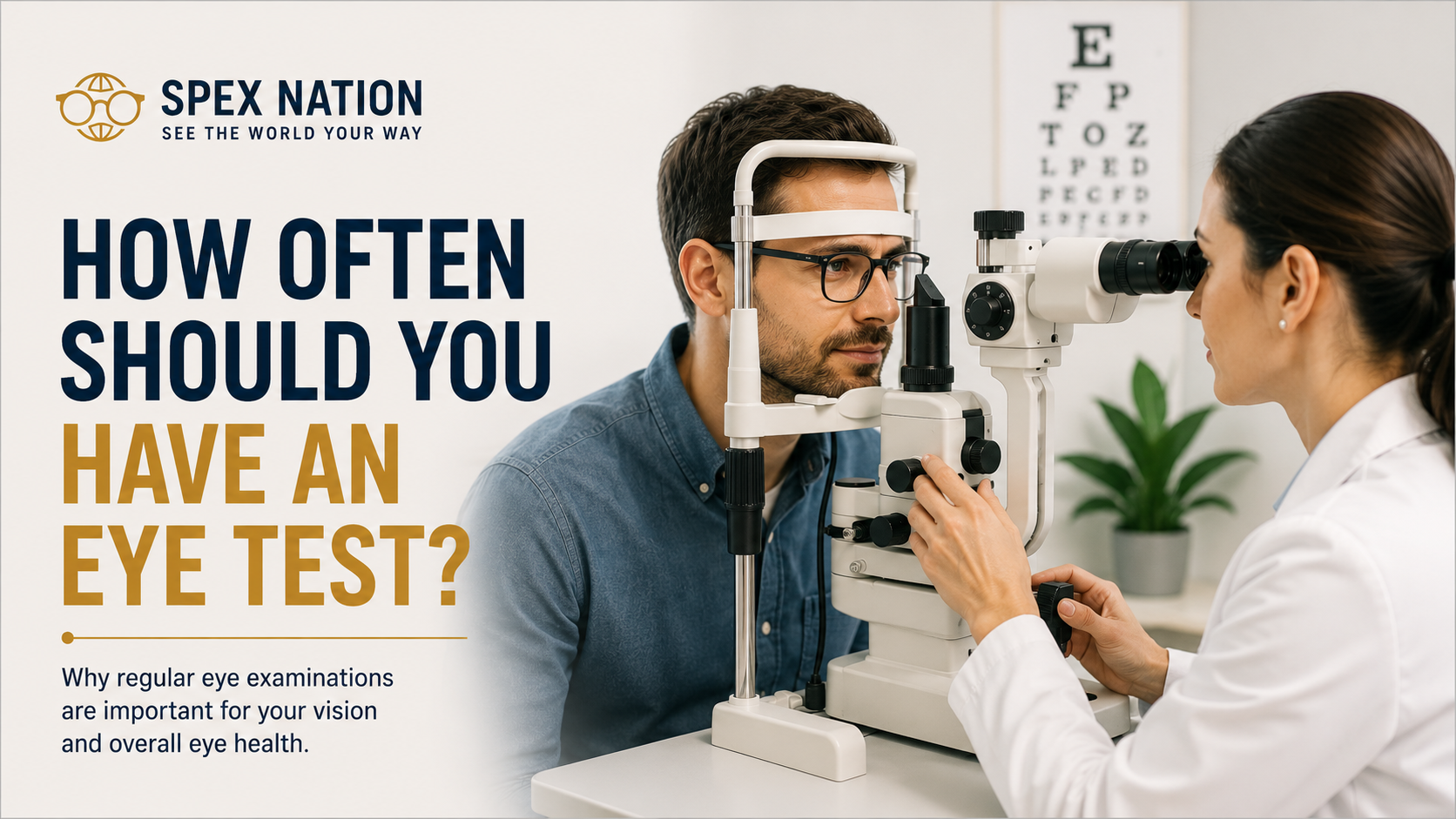
What Happens During an Eye Test?
A routine eye examination usually includes:
• Discussing your vision and symptoms
• Measuring your prescription
• Checking how well your eyes work together
• Examining the health of your eyes
• Advising whether you need glasses or an updated prescription
The appointment is painless and provides valuable information about your vision and eye health.
Looking After Your Eyes
Regular eye examinations are one of the simplest ways to protect your eyesight.
Even if your current glasses seem to be working well, routine check-ups help ensure your prescription remains accurate and allow potential problems to be identified as early as possible.
If it's been a while since your last eye test, now may be the perfect time to book one.